
Old-growth forest at Independence Oaks reveals Indigenous past
Independence Oaks County Park sits near historic Native American trail routes, and contains the headwaters of the Clinton River—once a major travel route for the Anishinaabe across what is now southeast Michigan.
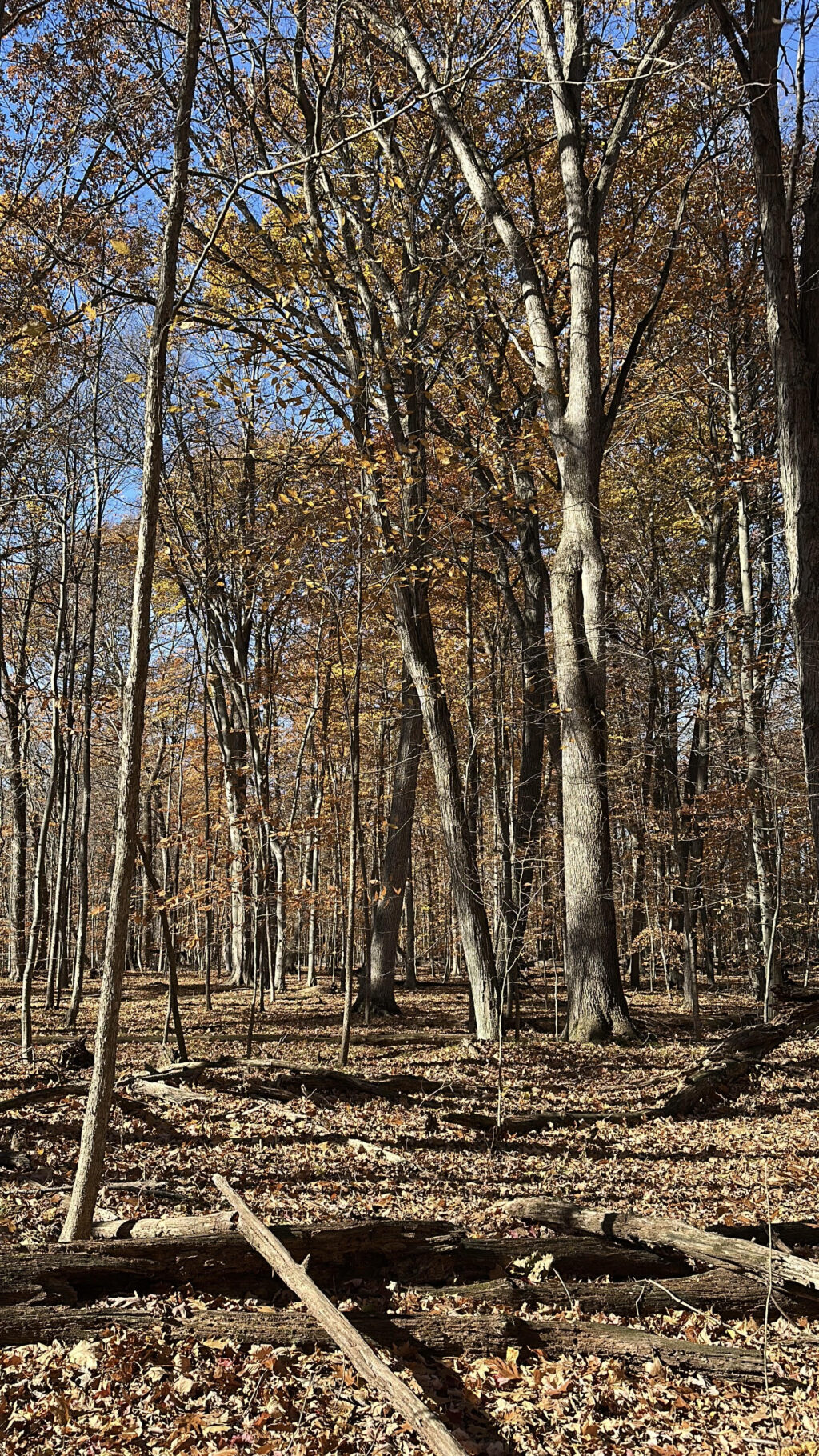
An area of very old trees at Independence Oaks County Park has been recognized as part of a national network of old-growth forests, drawing attention to both rare natural features and thousands of years of human history tied to the land.
Carol Bacak-Egbo is an Oakland County Parks historian. She says the newly designated old-growth forest lies within a landscape shaped by Indigenous peoples for 5,000 to 6,000 years. The park sits near historic Native American trail routes, and contains the headwaters of the Clinton River, once a major travel route for the Anishinaabe across what is now southeast Michigan.
“This history doesn’t start with log cabins and sawmills,” Bacak-Egbo says. “People lived with and cared for this land long before Europeans arrived.”
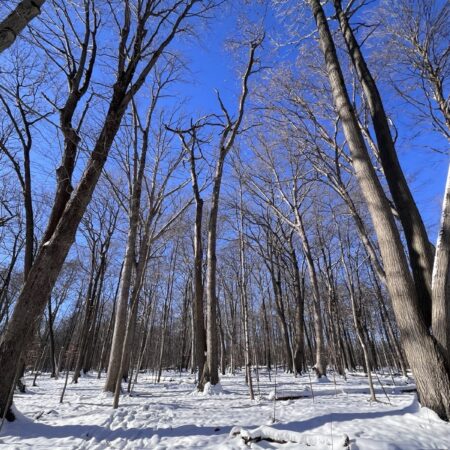
Artifacts indicate the area was likely used as seasonal camps rather than permanent villages. The park also contains one of only two remaining wild rice beds in southeast Michigan, a culturally and spiritually significant food source for the Anishinaabe.
The forest largely escaped widespread logging and farming in the 19th century, almost by accident.
In the early 1900s, a wealthy Detroit businessman purchased land around Crooked Lake but left it undeveloped. Later owners also did not farm the southern portion of the property, allowing the old-growth trees to remain intact.
Park naturalist Kegan Schildberg says the designation supports efforts to protect remaining natural areas in Oakland County, which has developed rapidly during the last century.
Bacak-Egbo encourages visitors to view parks as places where natural and human history intersect.
“When people walk these trails, they aren’t just connecting with nature,” says Bacak-Egbo. “They are walking through the same forest people walked through hundreds and even thousands of years ago.”
This story is part of WDET’s ongoing series, The Detroit Tree Canopy Project.