
CuriosiD: What happens to the Christmas tree in Campus Martius after the holidays?
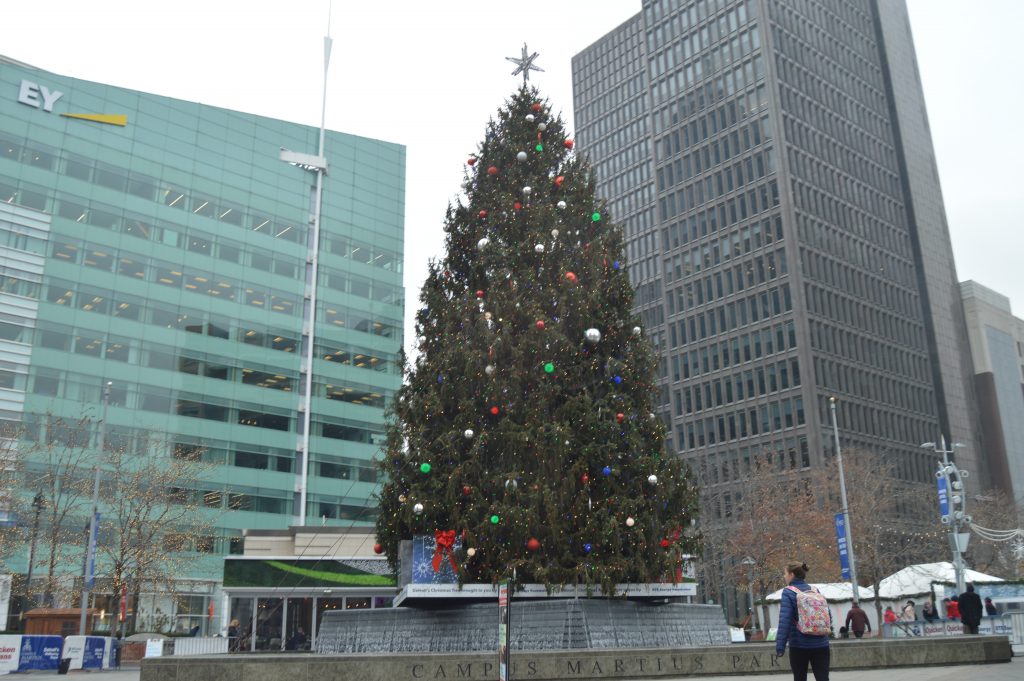
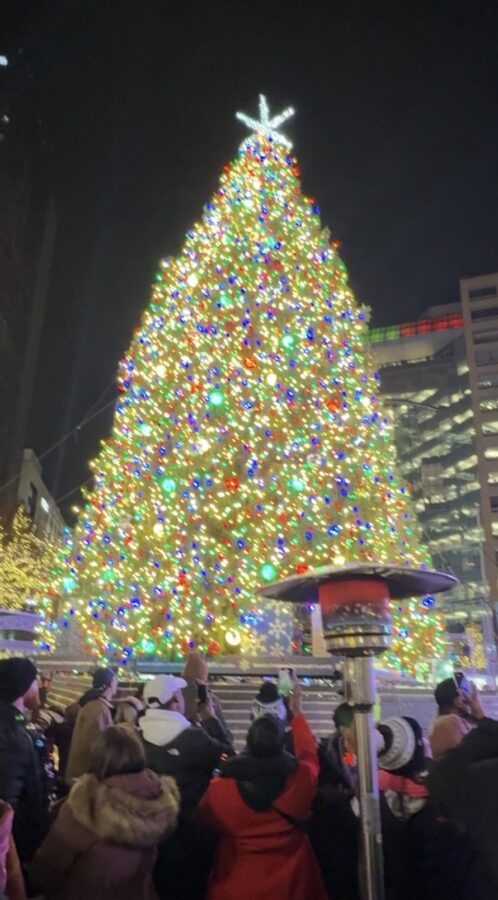
A WDET listener wanted to know happens to the Christmas Tree in Campus Martius after the holiday season.
In this episode of CuriosiD, we answer the question:
What happens to the Campus Martius tree after the holidays?
According to the National Christmas Tree Association, real trees are a renewable and recyclable resource, and there are more than 4,000 local Christmas tree recycling programs across the country.
Recycled trees can be used in a number of ways, from making mulch to burning the wood for energy. Up to 30 million live trees are sold every year in the U.S.
According to the company Mid-Michigan Recycling, if all those Christmas trees were recycled and turned into electricity, it could power 650,000 homes for a month.
The options
The Downtown Detroit Partnership, which is in charge of the Christmas Tree display at Campus Marius, sent this statement:
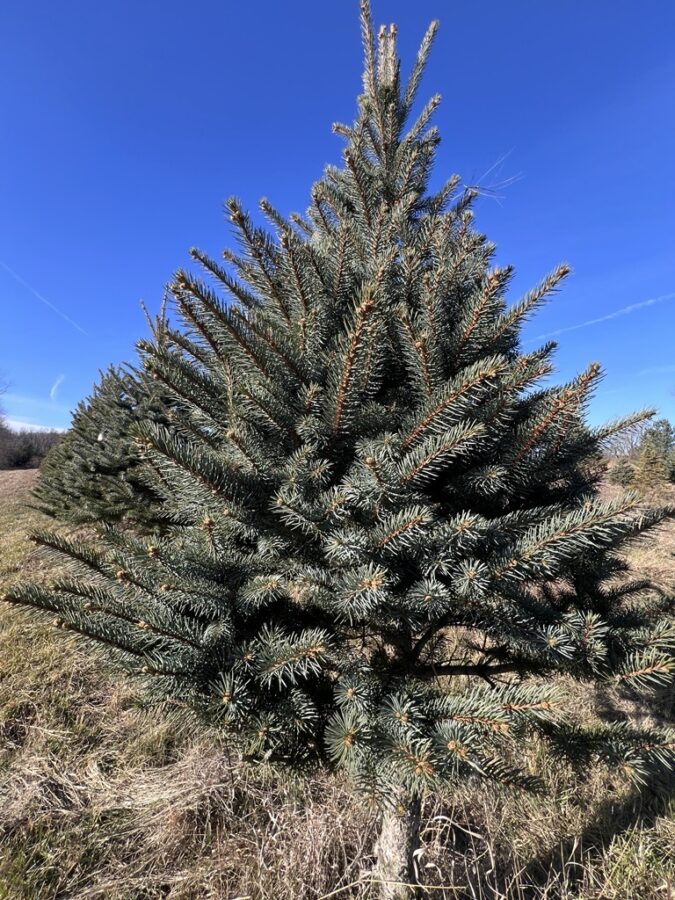
“The Norway spruce that the city chooses each year is near the end of its life cycle. For every Michigan tree harvested, three new ones are planted. Each tree is recycled in a number of ways, whether into mulch or lumber, and then reused in Detroit parks, donated to local schools, or set aside for special cultural projects.”
Tree recycling of Christmas past
Mid-Michigan Recycling was once hired to recycle the tree.
Aaron Hess is the company’s operations manager.
“So the tree was cut up and put into a dumpster. Unfortunately, whoever loaded it got like some street barriers and ornaments and some other things kind of mixed into it, into the loads as it was delivered,” Hess said.
Hess says that because the tree had too many contaminants, namely, tree ornaments and tinsel, they were not able to do the job a second year in a row.
“We worked with the crews to clean it up and get the tree recycled, but it was a little extra work that we can’t normally do, uh, at least regularly.”

Mid-Michigan Recycling is the exclusive wood supplier for the Genesee Power Station, which is an energy plant that produces green, renewable energy from wood waste.
The facility receives most of its trees from cities with curbside pick-up in their neighborhoods. But people can also drop off trees at any time at their sites in Livonia or Macomb Township for free.
Hess says sending the trees to his company is a good option because there are not a lot of alternatives to salvage pine trees after the holidays.
“A Christmas tree doesn’t have the greatest value as a mulch product,” Hess says. “The needles and the bark content of a Christmas tree is pretty high compared to the, you know, to the wood itself. And then the pine needles just don’t make a good mulch.”
CuriosiD: Did Detroit Ever Have A ‘Gayborhood’?
A listener wonders if Detroit ever had a gay neighborhood.
CuriosiD: Why isn’t there a Taco Bell downtown?
What franchisees look at when deciding on a fast food location. And what it means when they pick your part of town.
CuriosiD Extra: Filthy Rockwell owns WHATUPDOE!
In the last episode of CuriosiD, WDET’s Russ McNamara took a look at the history and emergence of the Detroit-specific phrase – “What Up Doe”. That led him to Detroit music producer, entrepreneur and philanthropist Filthy Rockwell. He owns the trademark for ‘WHATUPDOE!’.