
Lake Erie’s summer algal bloom was relatively mild
On a scale of 1 to 10, NOAA rated this year’s bloom between 2 and 3, which is mild.
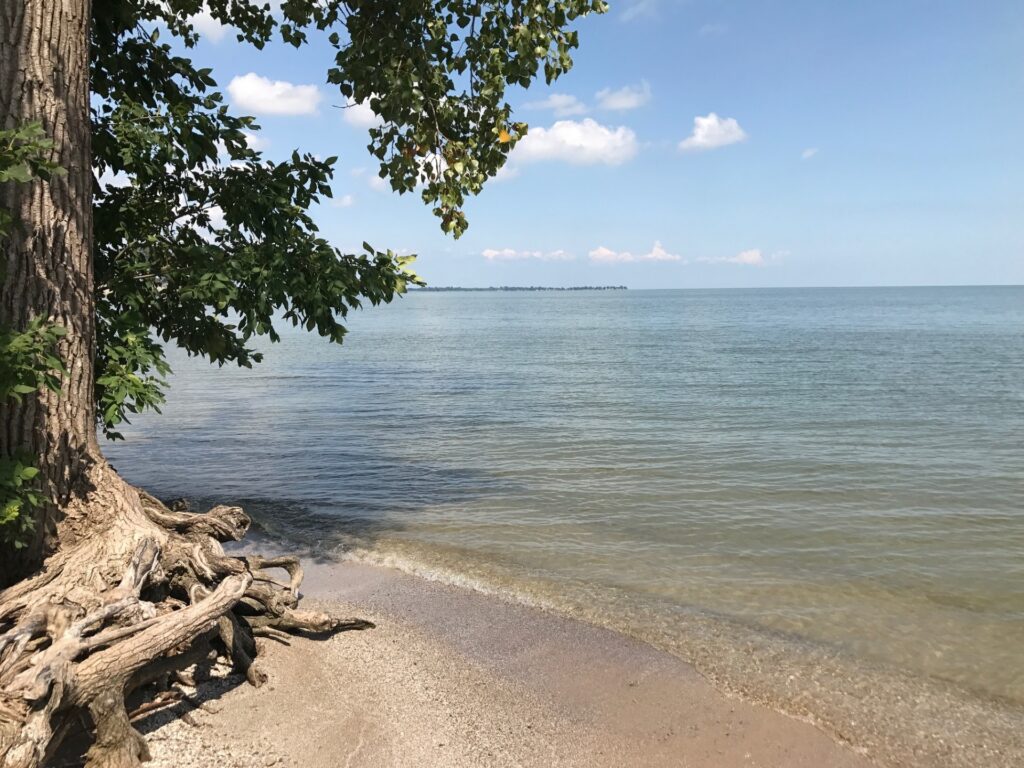
A view of Lake Erie at Sterling State Park.
This year’s harmful algal bloom in western Lake Erie was among the mildest this century.
The National Oceanic and Atmospheric Administration monitors the development of algae in the lake each year.
On a scale of 1 to 10, NOAA rated this year’s bloom between 2 and 3, which is mild. Compare that with 2011’s very severe bloom, which peaked between 9 and 10.
NOAA researcher Rick Stumpf says each bloom is different. He and his colleagues use several factors to rate each one.
“The mildness is a reflection of how much bloom there is,” he says. “The amount of biomass, the quantity, and how severe it is over the peak 30 days.”
Weather is a big factor
The amount of rainfall in the spring also affects the bloom’s development. Algae feed on phosphorus, a common chemical in farm fertilizer. When farmers apply it to their fields, rain will wash some of it into streams and creeks. That water then flows into the lake through the Maumee River in Ohio.
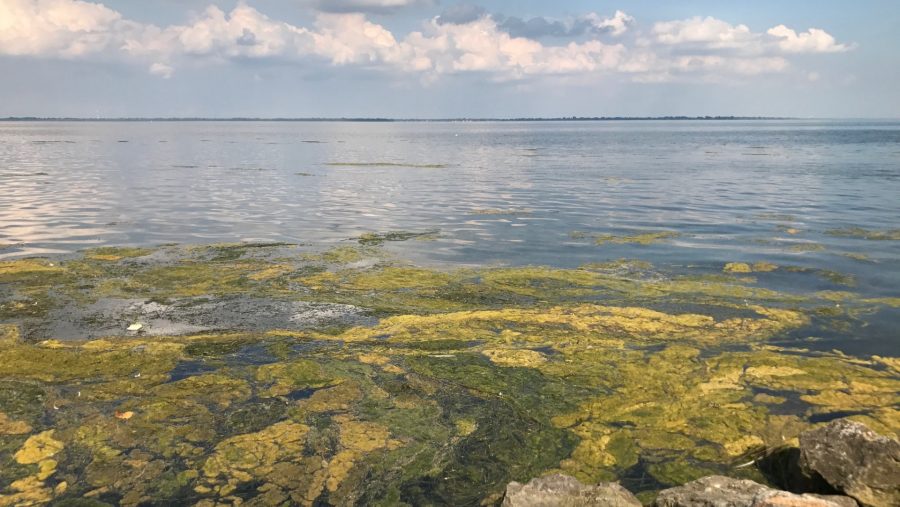
Stumpf says lower-than-average rainfall in 2025 meant less phosphorus for algae to consume, and thus a milder bloom. He also says this year’s growth started later than usual.
“The last few years, the bloom’s been pretty well-developed in July,” Stumpf says. “This year, it wasn’t until well into August when you had the greatest quantity of bloom.”
Stumpf says one way farmers can limit the amount of phosphorus in the lake is to test their fields for it early.
“If you’ve got enough phosphorus in the field, you may not have to fertilize for a couple of years, and that can make a big difference.”
Navigating the shutdown
Stumpf says the federal government shutdown in October did affect some of NOAA’s observations. But he says by then, researchers had enough data to rate the bloom accurately.
“We do a lot with satellite data, and that data has continued throughout this year’s bloom,” he says.
That data will also help NOAA figure out what other factors affect harmful algal blooms and how they’ve changed over the last 25 years.
Size doesn’t always matter
The size of each bloom doesn’t necessarily reflect how toxic it is. For example, the 2014 bloom was rated moderate to severe (5 out of 10). But it produced enough toxin to contaminate Toledo’s municipal water system that year.
In general, Stumpf says algal blooms can harm people and animals who are exposed to them. He says the best way to prevent that is to avoid areas of green scum on the surface of the lake.