

Latest in Local: Godzilla? Electronic Music? Say No More
Rebecca Goldberg soundtracks the original 1954 Japanese film “Gojira” at Armageddon Beachparty June 29
Detroit may be the birthplace of techno, but it’s also home to a range of inventive electronic music artists redefining the DNA of that genre with a composite of other signature styles and experimentation. On the eve of summer, replenish yourself with the propulsive beats, threaded loops and spacey basslines of three formidable Detroit artists when they join forces for an evening of live electronic music at Armageddon Beachparty.
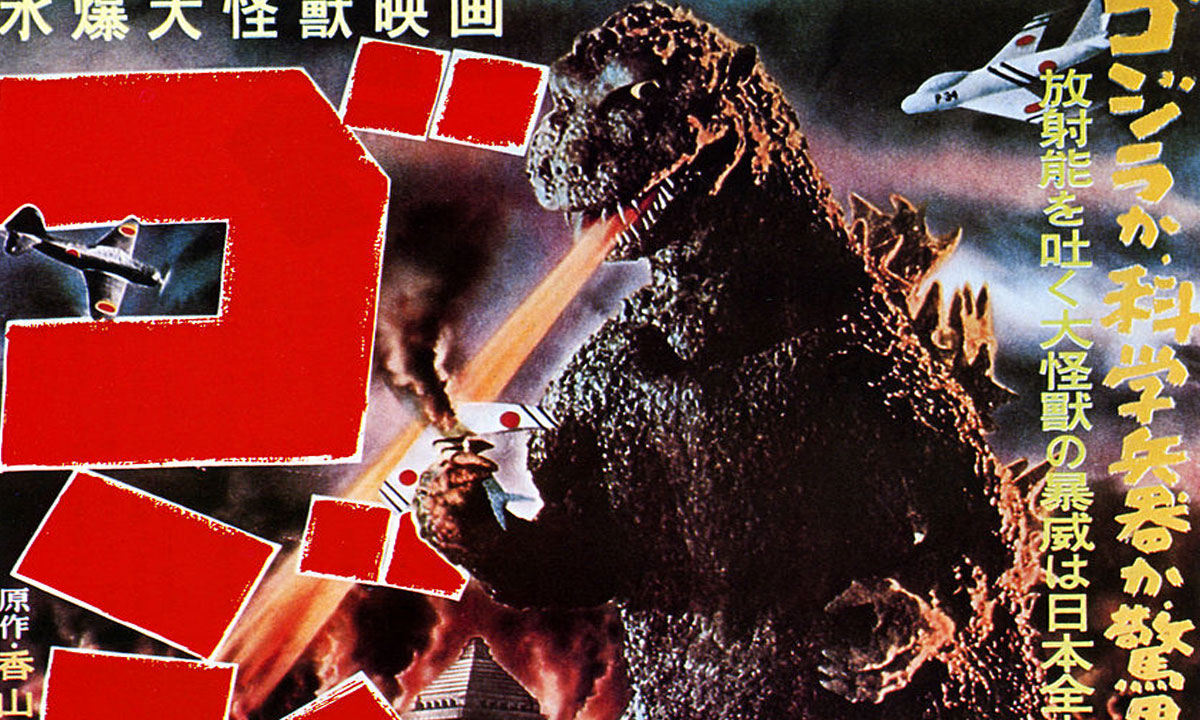
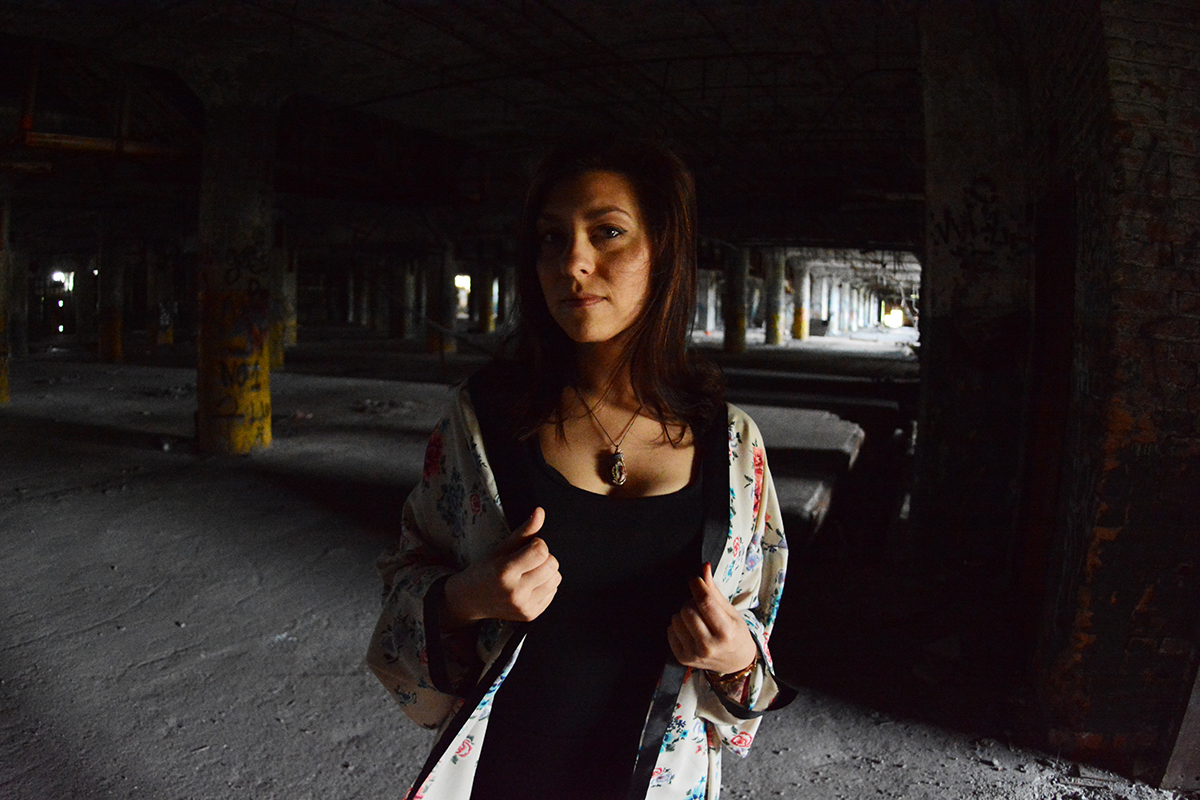
Producer/DJ Rebecca Goldberg will be mixing samples and wavy electronic sounds surging atop frenetic beats conjured from her array of electronic instruments, while projecting an original print of the 1954 Japanese film “Godzilla”.
You can stream Goldberg’s single “Panopticon” at the top of this page.
Armageddon Beachparty is a vibrant and welcoming space in Woodbridge, on Putnam just off of Trumbull, that is a hybrid of art boutique, gallery, and performance space.
Goldberg’s recent credits include a film score for Georges Méliès’s silent film “A Trip To The Moon,” which she performed in Paris at an event produced by Music on the Road Project at David Lynch’s members-only club, Silencio. Her 2016 album “313 Acid Queen” utilized found -sounds from Detroit neighborhoods set to sleek arrangements and aerobic beats. She followed that up, a year ago, with “ω−3 fatty acids.” Both records were released on 12” vinyl by Detroit Underground.
Her most recent feature was via Cryovac Recordings, on a split vinyl release that was a collaborative effort with Andy Garcia and Mike Kretsch. Goldberg twists the 303 drum machine around a relentless 4/4 groove for a fifteen-minute mini- odyssey as an ode to the treasures harbored in brick and mortar record stores.
Goldberg is joined by Wing Vilma (producer Miles Coleman) who layers a complex patchwork of percussive samples or evocative found sound field recordings and “vaguely familiar instrumentals.” Also performing will be Tammy Lakkis, a songwriter/producer/DJ and poet who fuses loungey vocals with electronic grooves, bringing together the worlds of trip-hop, house and techno.
Wing Vilma released their debut album in the late winter of this year on Young Heavy Souls; it features a particularly poignant and frenetic track called “Cherry Granola,” inspired by a formative summer spent in northern Michigan. Lakkis, meanwhile, recently dropped a single, “This Is How It Goes,” with entrancing vocals coiling over a buzzy, swaying bassline.
Rebecca Goldberg will appear with Wing Vilma and Tammy Lakkis at Armageddon Beachparty on Saturday, June 29 at 8:00 pm. Advance tickets are $9.00.